

At the end of every mission we ask volunteers the same question: what are you taking with you? The answer repeats with an insistence that no longer surprises us: “I am taking more than I brought.”
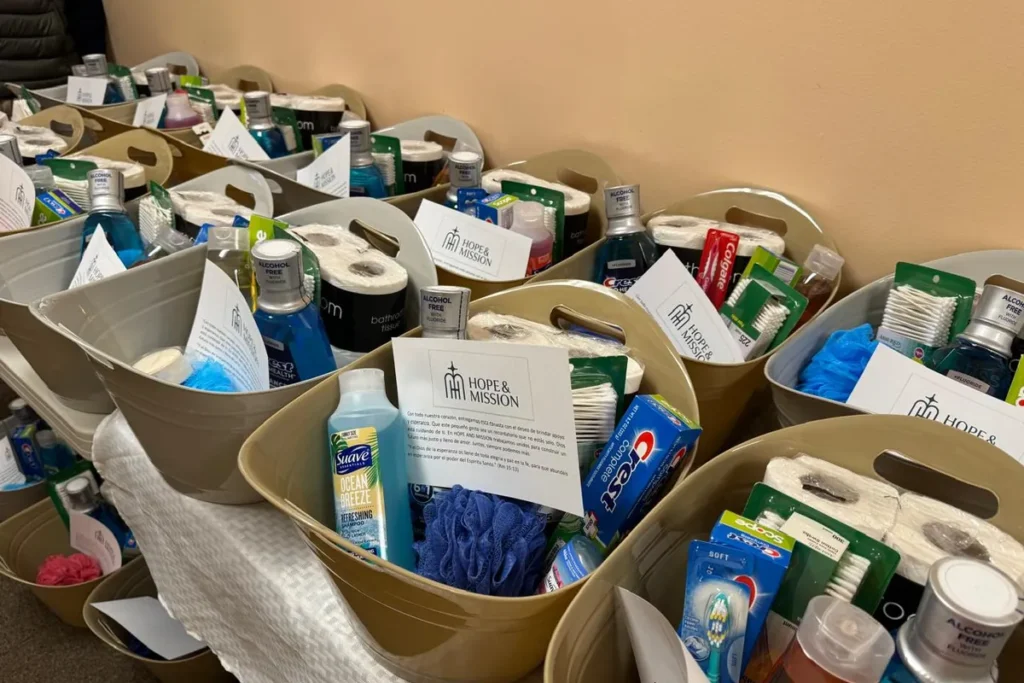
It is not a polite phrase. Anyone who spends a week handing out hygiene kits in a community in North Carolina or accompanying families in Apopa comes back with the scale of their own problems recalibrated.
The transformation does not come from doing something big. It comes from doing something concrete for someone with a face and a name, and seeing that it helped.
In service something happens that money alone cannot achieve: the encounter. A financial gift solves a need; being present also solves the loneliness that comes with it.
We have learned to prepare missions the opposite way round from what seems logical. We do not start with what we are going to bring, but by listening to the community leaders: what is really needed, and in what order.
That listening avoids the most frequent mistake of well-meaning volunteering: arriving with a solution to a problem nobody had. Help that was not asked for creates dependency; help that answers a stated need creates autonomy.
We ask new volunteers for three things: punctuality, discretion about what they see in the homes, and constancy. The third is the hardest and the most valuable: one visit moves people, twelve visits sustain them.
We also tell them there is no need to travel. The communities we accompany need the person who goes as much as the person who stays behind organising, translating, calling and sourcing.
Genuine service transforms the one who receives it and the one who offers it, but not at the same time nor in the same way. For the one receiving, it changes the week; for the one serving, it often changes the year.
If you want to join, write to us. There is a task the size of the time you have, even if that time is two hours a month.